

The purpose of maintenance during the operation of pipeline valves is to ensure that the valves are in a state of perennial cleanliness, good lubrication, complete valves and normal operation.How to maintain pipeline valves in use
★ cleaning of valves
The surface of the valve, the trapezoidal thread on the valve stem and the valve stem nut, the sliding part of the valve stem nut and the support, and the gear, worm gear and other parts are easy to be stained with dirt such as dust, oil stain and medium residue, which will cause wear and corrosion to the valve. Therefore, it is very important to keep the exterior and moving parts of the valve clean and protect the integrity of the valve paint. The dust on the valve is suitable for brush brushing and compressed air blowing; The dirt between the trapezoidal thread and the teeth is suitable for wiping with a rag; Use cleaning methods approved for the exact valve materials, seals, surface treatment and service. Steam cleaning and wire brushing are not universal procedures; before opening or dismantling equipment, follow the required isolation, depressurization and site safety procedures. The drain valve shall be in the charge of a specially assigned person, and shall be inspected at least once per shift. The flushing valve and the plug at the bottom of the drain valve shall be opened regularly for flushing, or the valve shall be disassembled and flushed regularly to prevent dirt from blocking the valve.
★ lubrication of valves
The trapezoidal thread of the valve, the sliding part of the valve stem nut and the support, the bearing part, the meshing part of the gear and worm wheel and worm, and other mating parts need good lubrication conditions to reduce friction and avoid mutual wear. Some parts are specially equipped with oil cups or nozzles. If they are damaged or lost during operation, they should be repaired and equipped, and the oil path should be unblocked.
Lubricating parts shall be regularly oiled according to specific conditions. Set lubrication intervals from the approved valve and gearbox instructions, actual duty and inspection records. Use only lubricants and application methods approved for the specific parts, temperature and process service; do not substitute general-purpose oils, greases or powders without confirmation. Oxygen and other special services require their specified cleanliness and lubricant controls.
The plug valve for oil filling seal shall be filled with oil at the specified time, otherwise it is easy to wear and leak.
★ valve maintenance
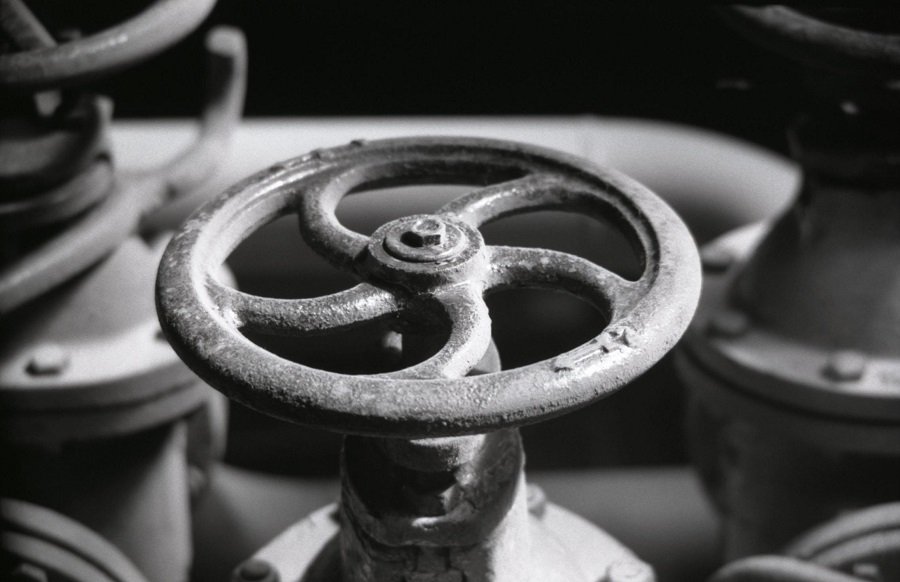
Valves in operation and various valves shall be complete and intact. The bolts on the flange and bracket are indispensable, and the threads shall be intact without looseness. The fastening nut on the hand wheel shall be tightened in time if it is found to be loose, so as to avoid abrasion of the connection or loss of the hand wheel and nameplate. If the hand wheel is lost, it is not allowed to replace it with a spanner, and it should be equipped in time. The packing gland shall not be skewed or have no pre tightening clearance. For the valve in the environment easily contaminated by rain, snow, dust, wind and sand, the valve stem shall be installed with a protective cover. The scale on the valve shall be complete, accurate and clear. The lead seal, cap and pneumatic accessories of the valve shall be complete and intact. The insulation jacket shall be free of depression and crack. It is not allowed to knock, stand or support heavy objects on the valves in operation; Especially non-metallic valves and cast iron valves
Frequently Asked Questions
How do I decide when my valve needs cleaning or lubrication?
Ask for the maintenance instructions for the selected valve and gearbox and review them against the actual operating frequency and environment. Use inspection records to plan the work rather than applying one interval to every valve.
Can I use the same cleaner or lubricant on all my valves?
Request the approved cleaning and lubrication materials for each valve and service. Identify the medium, temperature and the parts involved; do not select a product solely from the general lubricant or cleaning examples in this article.
What should I send when asking for help with a stiff or leaking valve?
Provide the valve identification, operating conditions, observed symptoms and maintenance history, with photographs where useful. Request model-specific inspection guidance and the required site work controls rather than increasing operating force or improvising repairs.