
Gate Valves Manufacturers
VALVE Categories
Gate valves are linear-motion isolation valves in which a gate moves perpendicular to flow. Trekre’s current range includes flanged JIS, ANSI and DIN designs, resilient-seated NRS, cryogenic, underground and separate knife-gate configurations; final selection depends on the product design and service.
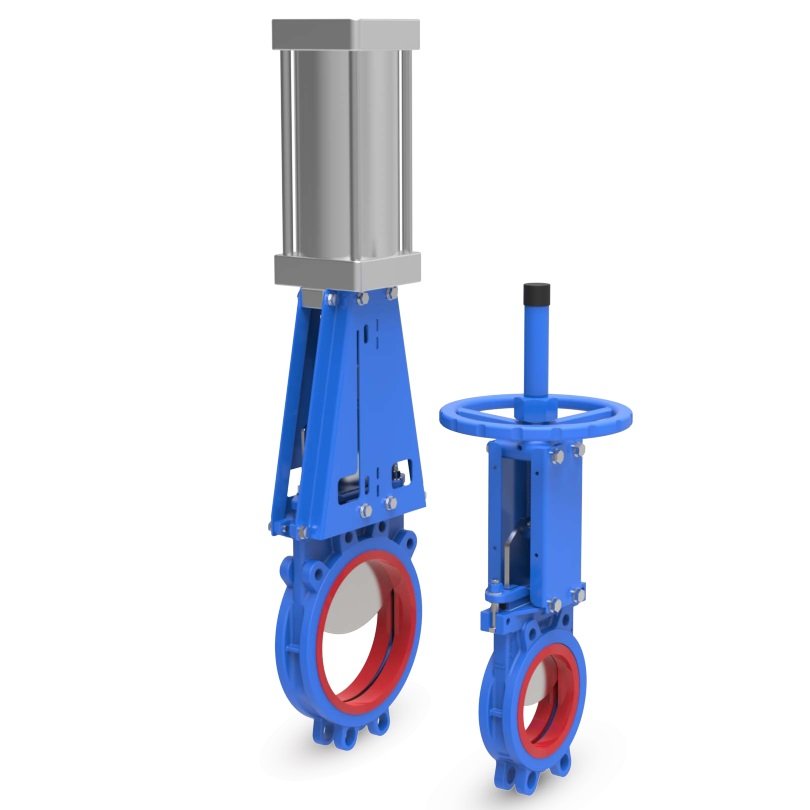
Wear-Resistant Knife Gate Valve non-groove Integral Bi-directional Seal
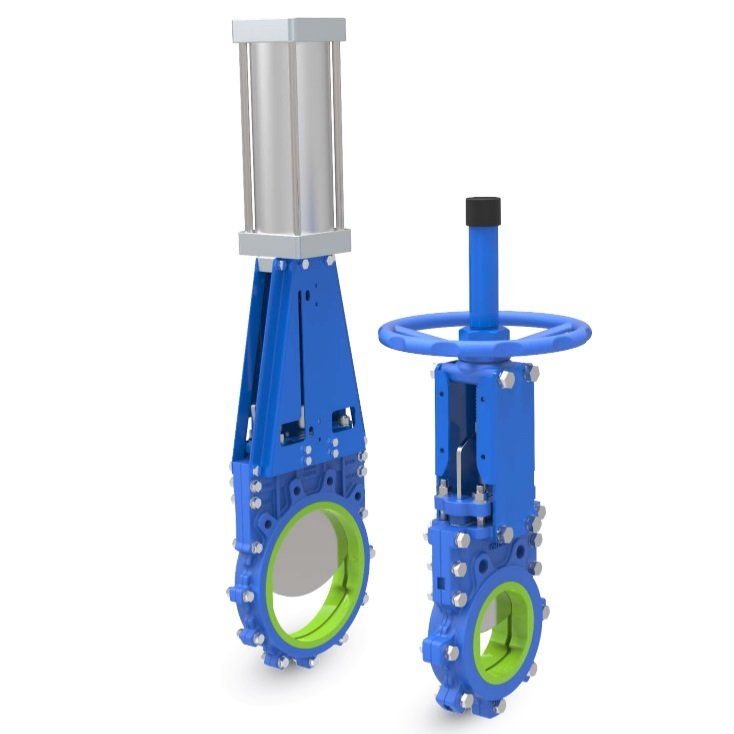
Polyurethane lined Knife Gate Valve Bi-directional Seal Non-groove
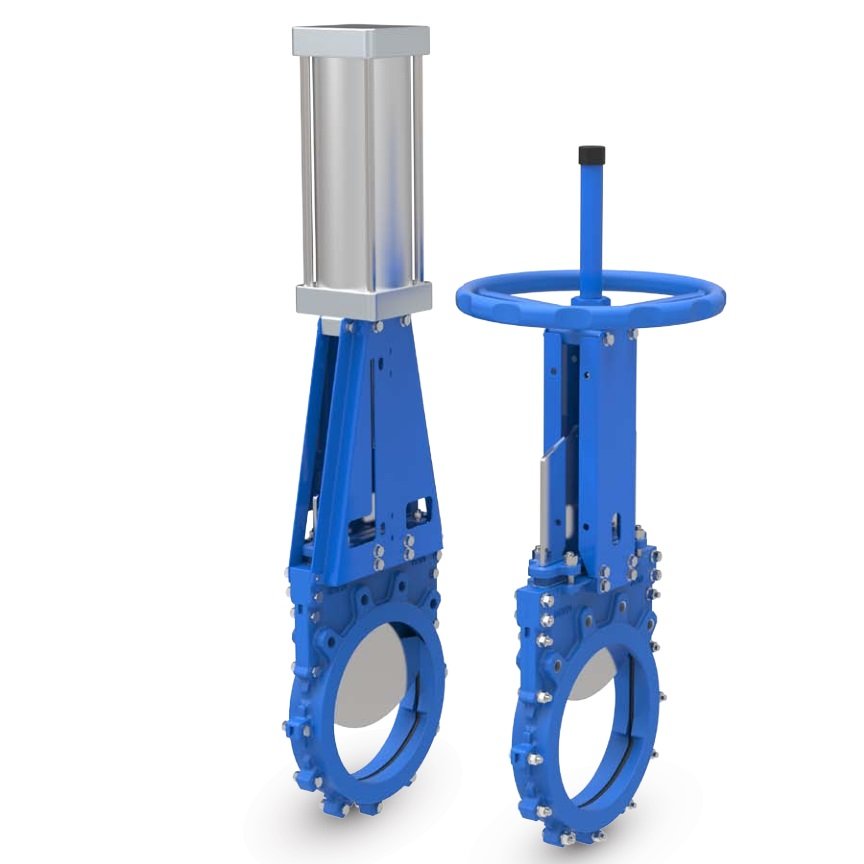
2PC Body Bi-directional Seal Non groove Knife Gate Valve
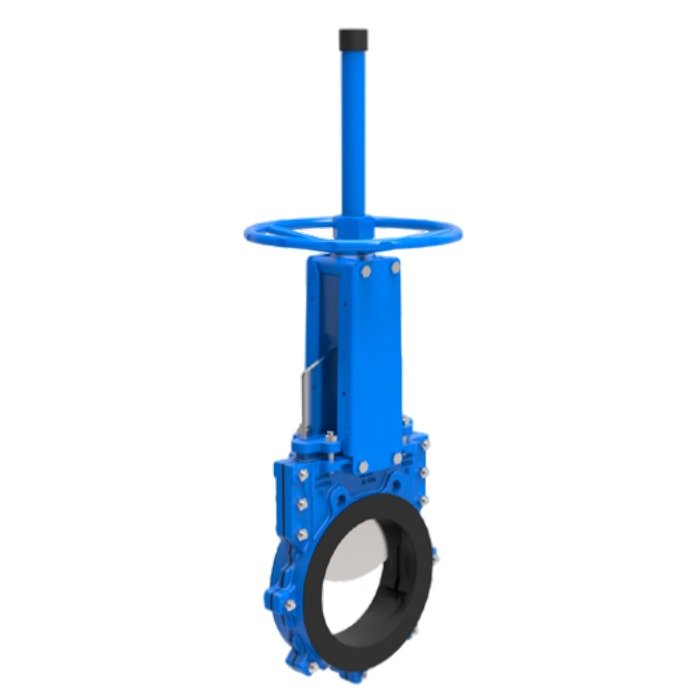
Bi-directional Fully Rubber Lined Knife Gate Valve
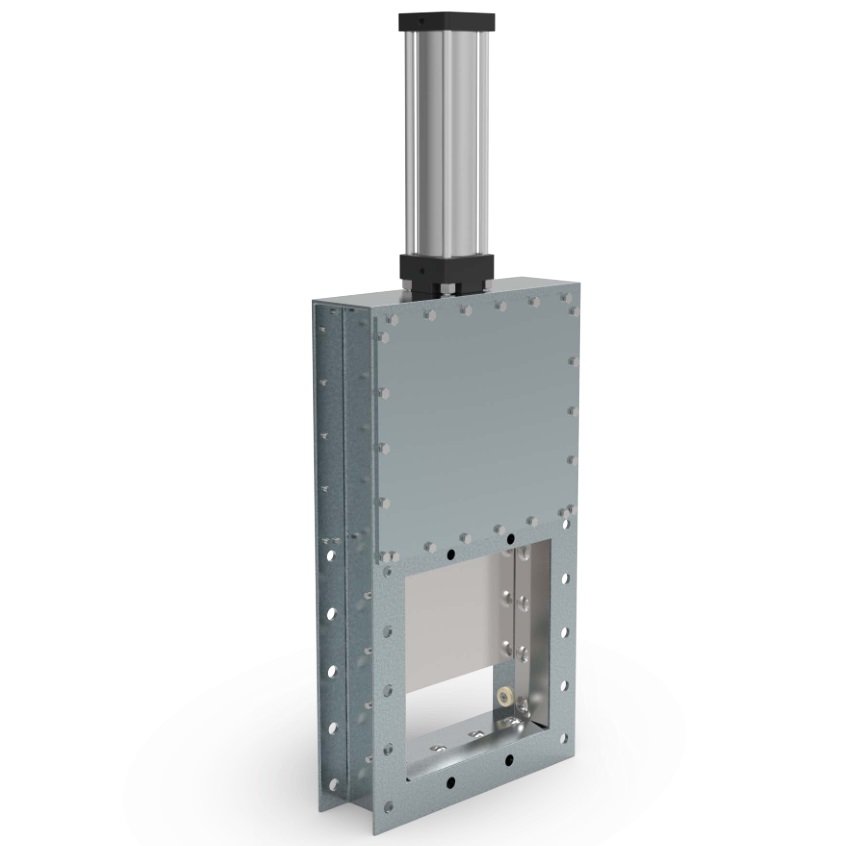
Square knife gate valve
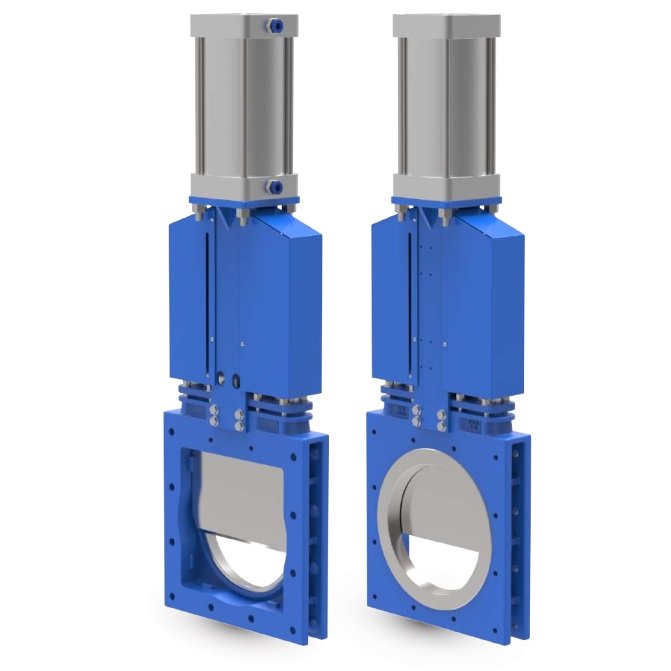
Unidirectional seal Slag disposal Knife Gate Valve
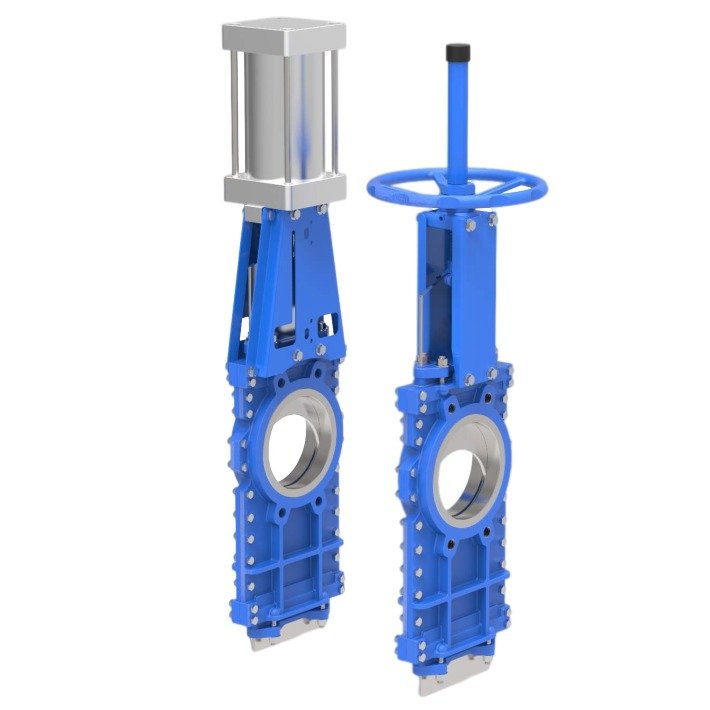
Bi-directional Through type Knife Gate Valve
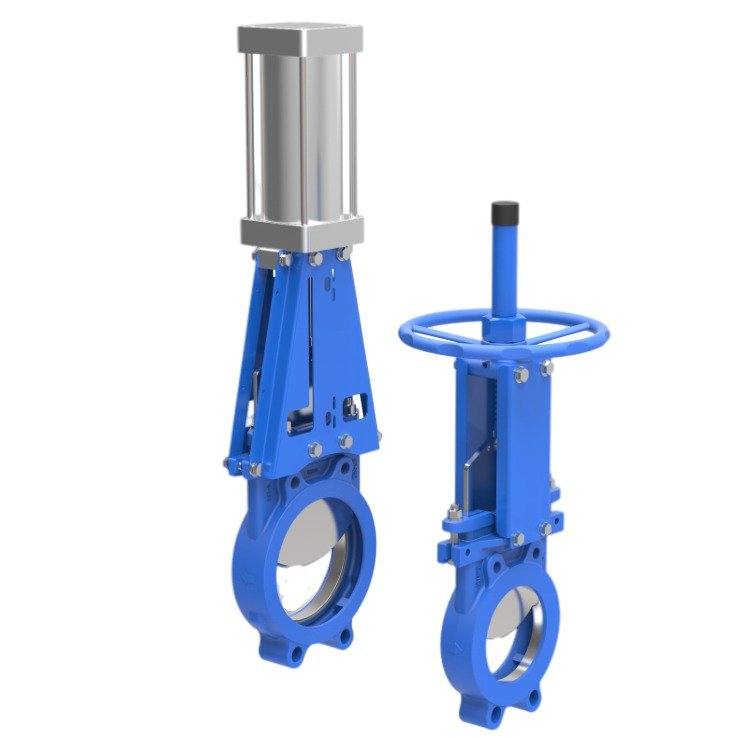
Unidirectional Seal Knife Gate Valve/Valve Seat Replaceable

ultra Cryogenic flange high pressure gate valve

DIN F4 gate valve flanged resilient seated NRS Ductile Iron

ANSI Class 300 Flanged Gate Valve WCB/CF8/CF3M

ANSI Class 150 Flanged Gate Valve Stainless & Carbon Steel

JIS 10K Flange Underground Gate Valve SCS13 SCS14 SCPH2

JIS 20K Gate Valve Flanged – SCS13 SCS14 SCPH2

Flanged JIS 10K Gate Valve SCS13 SCS14 SCPH2

JIS 10K NRS Gate Valve-Union Bonnet-Handwheel operation
Trekre Gate Valves Series
What Is a Gate Valve?
A gate valve is a linear-motion isolation valve. Its gate or wedge moves perpendicular to the flow path to open or close the valve. Gate valves are primarily intended for fully open or fully closed service; when fully open, the flow path can be relatively unobstructed for the selected design.
Gate Valve Types Available
The current category contains conventional flanged gate valves and products that also belong to the separate Knife Gate Valves category. These are different product families and should be selected separately.
- JIS flanged gate valves
- ANSI Class 150 and Class 300 flanged gate valves
- DIN F4 resilient-seated NRS gate valves
- Cryogenic gate valve configurations and underground products
- Knife gate valves, including unidirectional, bi-directional, lined and wear-related product configurations
Rising Stem vs Non-Rising Stem Gate Valves
The current range explicitly identifies an NRS (non-rising stem) JIS gate valve and a DIN F4 resilient-seated NRS product. Stem arrangement must be confirmed from the selected product drawing; this category does not make a universal claim that all gate valves are rising-stem or non-rising-stem designs.
Gate and Sealing Designs
Current product titles identify resilient-seated NRS gate valves and knife-gate products with unidirectional or bi-directional seals, replaceable seats, rubber lining, polyurethane lining, and wear-related configurations. Conventional gate valves and knife gate valves have different structures and service considerations. Confirm gate, wedge, seat, lining, and sealing details for the exact product series.
Materials and End Connections
Current product titles identify stainless steel, carbon steel, WCB, CF8, CF3M, ductile iron, SCS13, SCS14, and SCPH2 configurations. The conventional range is principally flanged in the current product titles. Material, connection, pressure designation, and standard must be selected from the individual product documentation, not inferred from this category page.
Manual and Actuated Gate Valves
The current product titles identify handwheel and manual operation on conventional gate-valve products. The category does not provide verified pneumatic or electric gate-valve configurations, so no actuator performance claims are made here.
How to Select a Gate Valve
- Medium, pressure, temperature, size, and required isolation duty
- Conventional gate valve or knife gate valve structure
- Flanged connection and applicable JIS, ANSI, DIN, or other product-specific standard
- Body, gate/wedge, stem, seat, seal, or lining requirements
- Stem arrangement, installation access, and operating method
- Required inspection, documentation, and order specification
Final selection must be confirmed with the relevant drawing, datasheet, and actual service conditions.
Typical Applications
Gate valves are commonly considered for industrial isolation service where the selected design is appropriate for the medium and operating conditions. Knife gate products should be assessed separately for their intended structure and service. This category does not claim universal suitability for solids, abrasive media, cryogenic duty, or corrosive service.
Standards and Testing
Current product titles reference JIS, ANSI, and DIN configurations. Available standards vary by valve design and product series. Confirm the applicable drawing, product documentation, inspection scope, and order specification. Trekre’s About page presents pressure-testing, PMI, material-verification, and inspection equipment; applicable checks must be agreed for the selected product.
FAQ
What is a gate valve?
A gate valve is a linear-motion isolation valve in which a gate or wedge moves across the flow path to open or close the valve.
Can gate valves be used for throttling?
Gate valves are primarily intended for fully open or fully closed service. Confirm the selected design and application requirements before considering any throttling duty.
What is an NRS gate valve?
NRS means non-rising stem. The current range includes products explicitly identified as NRS; confirm the stem arrangement from the selected product drawing.
What is the difference between a gate valve and a knife gate valve?
They are different product families with different structures and selection considerations. Use the separate Knife Gate Valves category and the specific product documentation for knife-gate selection.
What information is required when ordering a gate valve?
Provide the medium, pressure, temperature, size, connection, material and sealing requirements, desired stem/operation arrangement, applicable standard, and inspection or documentation needs.