
Pneumatic Valves Manufacturers
VALVE Categories
Pneumatic valves combine a valve body with a pneumatic actuator. Compressed air moves the actuator, which converts air pressure into rotary or linear motion depending on the selected valve design. The current range includes pneumatic ball, butterfly, plug and regulating-valve configurations.
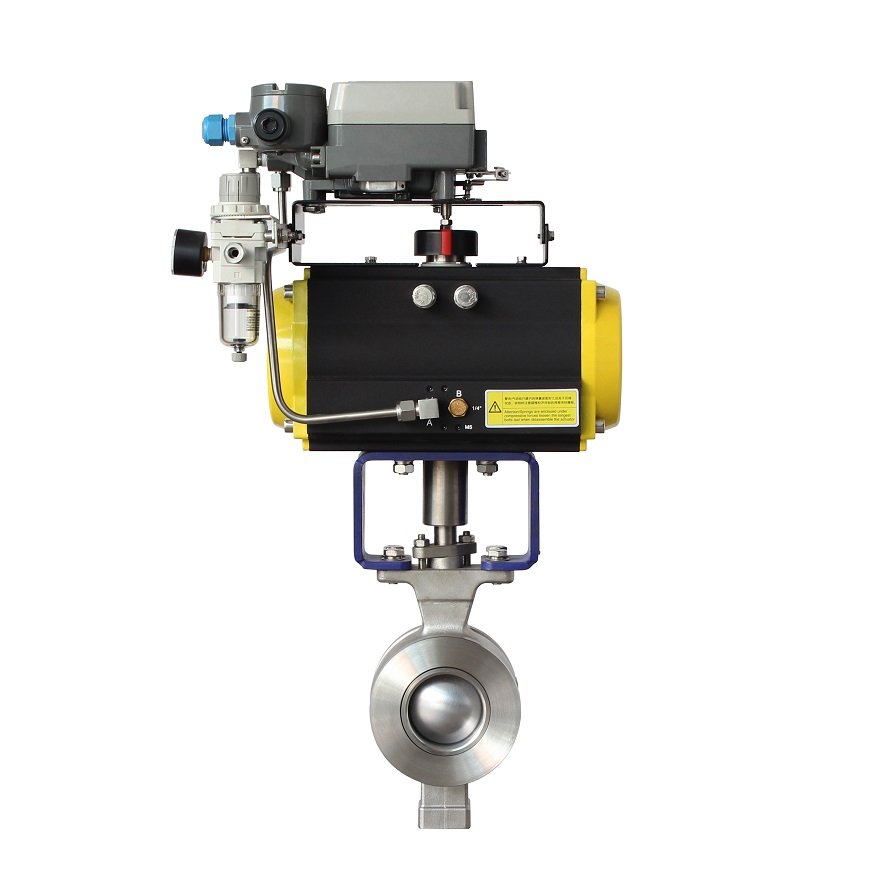
pneumatic V-type regulating ball valve
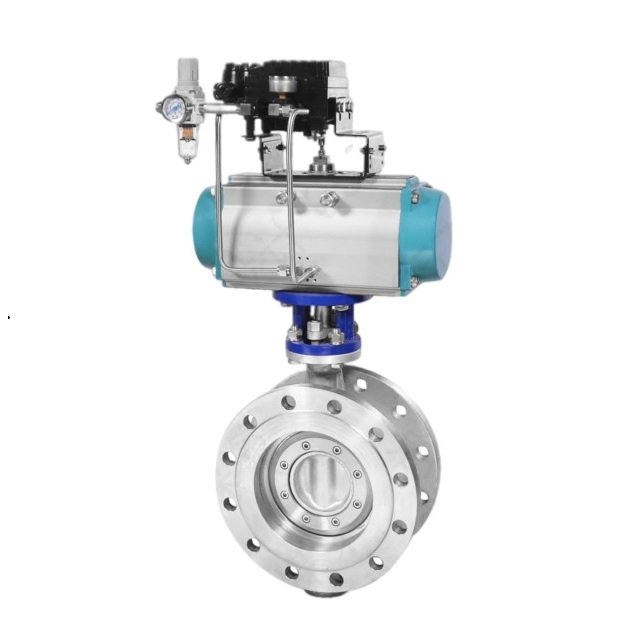
Pneumatic butterfly valve double flange – Triple Offset
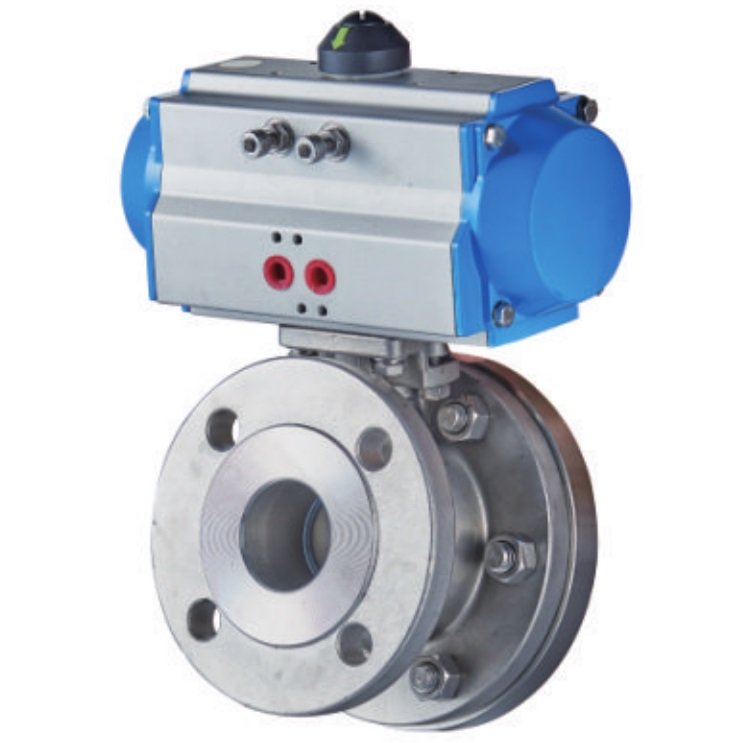
Pneumatic Discharge Ball Valve Inclined

Pneumatic shut-off butterfly valve

PFA PTFE Lined Pneumatic Lug Butterfly Valve

Pneumatic lug type butterfly valve-Ductile Iron/WCB/EPDM
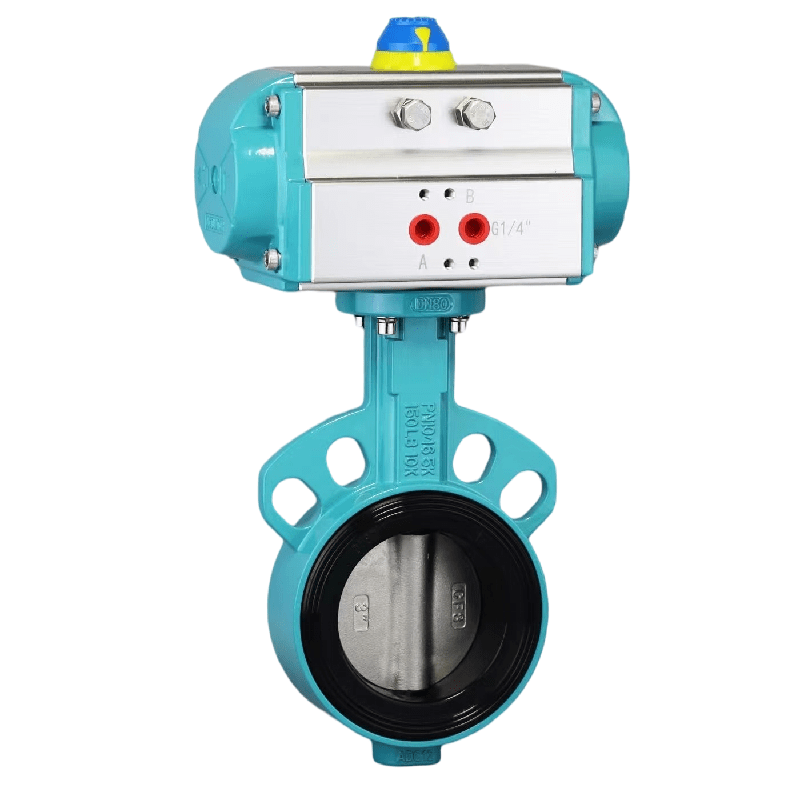
Pneumatic wafer butterfly valve

pneumatic welded three piece ball valve-Stainless steel

Pneumatic lined regulating valve Class150

Straight-through flange Pneumatic regulating valve

Pneumatic cage-regulating valve

Pneumatic flow regulating valve

Pneumatic flow cage-regulating valve

Pneumatic fluorine lined flow regulating valve

PTFE/PFA lined Pneumatic plug valve
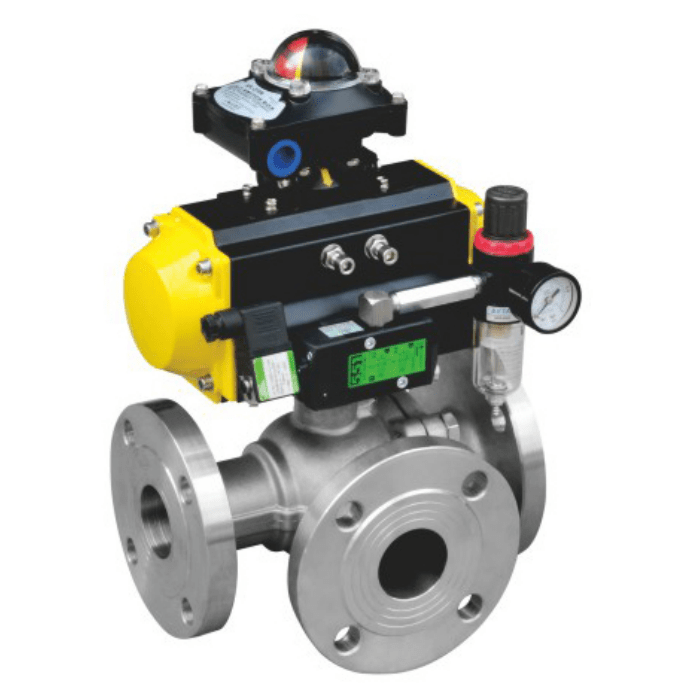
Pneumatic three way ball valve

high performance wafer pneumatic buttefly valve

high performance pneumatic butterfly valve Carbon steel

Pneumatic three-way Flange ball valve

V-port Segment Pneumatic Ball Valve (Wafer)
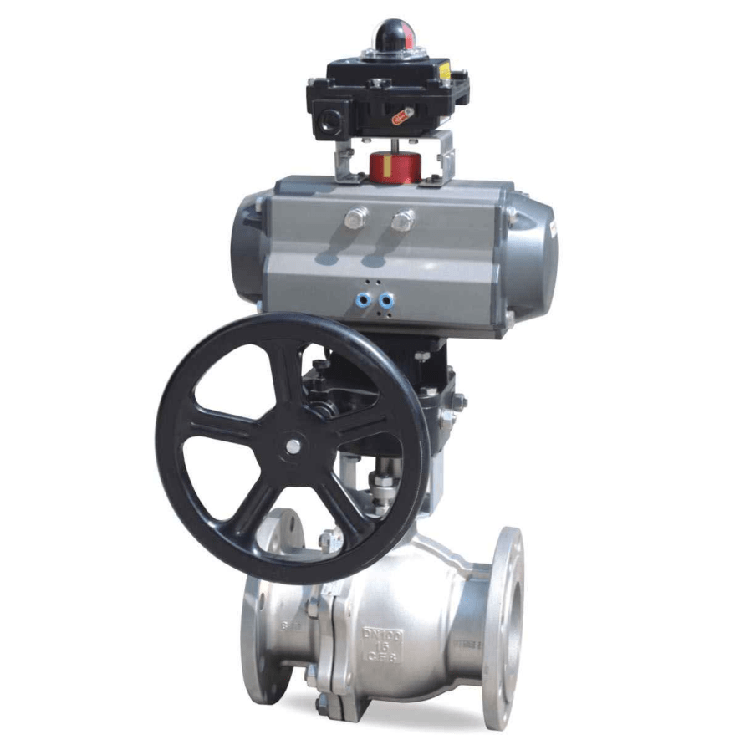
Pneumatic manual flanged ball valve

Pneumatic Cage Sleeve Control Valve-axial flow labyrinth

PFA PTFE FEP lined control valve Pneumatic Actuator

Pneumatic angle type control valve actuators Regulating

Pneumatic 3-way regulating valve-diverter & confluence Valve
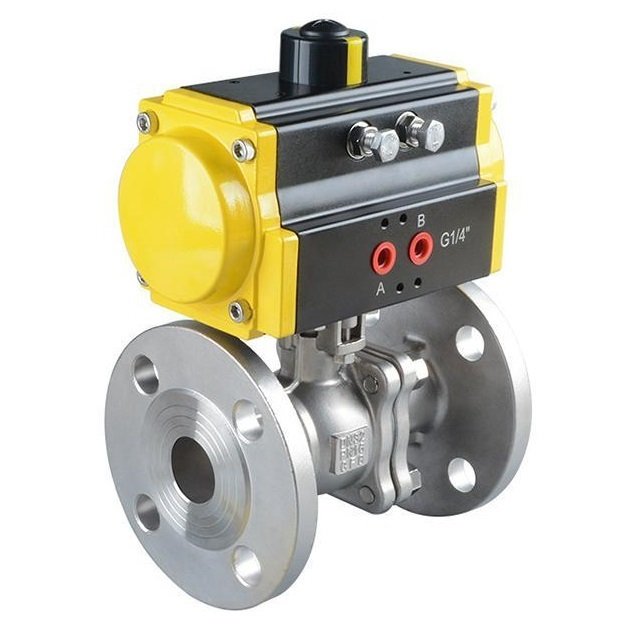
ANSI Class 150 Pneumatic Ball Valve Flanged – Actuator
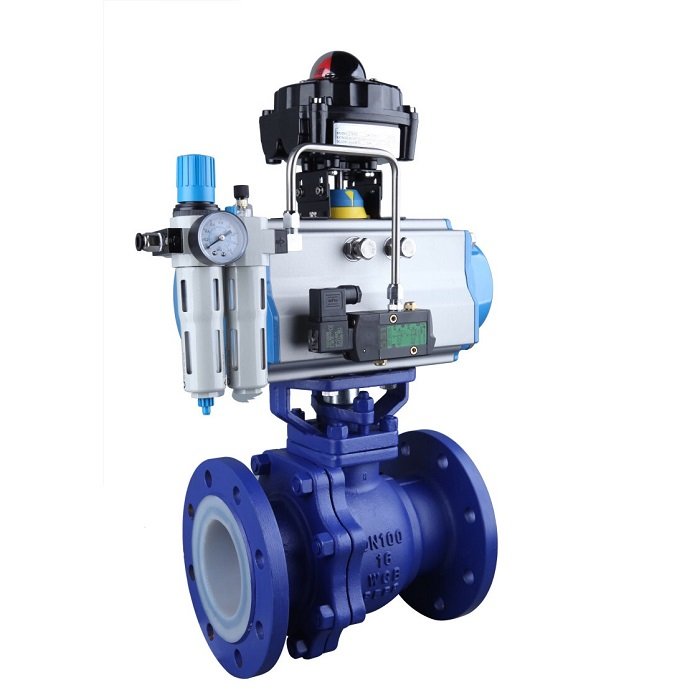
PTFE PFA lined pneumatic ball valve with actuator
Trekre Pneumatic Valves Series
What Is a Pneumatic Valve?
A pneumatic valve assembly combines a valve body with a pneumatic actuator. Compressed air provides actuator motion, and the actuator converts that motion into rotary or linear valve movement depending on the valve design. It may be used for on/off or modulating service depending on the actuator and control configuration.
Pneumatic Valve Types Available
- Pneumatic ball valves
- Pneumatic butterfly valves
- Pneumatic lined plug valves
- Pneumatic regulating and control valves
How Pneumatic Valve Actuation Works
The valve body and actuator are selected as an assembly. Air supply, valve torque or thrust, valve type, duty, control requirement, and accessories must be confirmed for the selected product.
Pneumatic Ball and Butterfly Valves
The current category includes pneumatic flanged, welded three-piece, multi-port, V-port and lined ball valves, plus wafer, lug, double-flange, lined and high-performance butterfly-valve products. They do not share a universal material, connection, actuator, or operating limit.
Control Accessories and Automation Options
Accessories and control options must be confirmed from the selected product documentation. This category does not claim a universal solenoid, positioner, limit switch, regulator, response time, positioning accuracy, SIL, IP, or explosion-proof rating.
How to Select a Pneumatic Valve
Review medium, pressure, temperature, valve type, size, connection, body/seat/lining material, required torque or thrust, available air supply, on/off or modulating duty, fail position, cycle frequency, control signal, accessories, standard, and installation environment.
Typical Applications
Pneumatic valve assemblies may be selected for process automation, utility systems, equipment packages, and automated pipelines where the selected valve, actuator, materials, and control arrangement are appropriate.
Standards and Testing
Design, connection and testing standards vary by valve and actuator series. See About Us and Valve Technical Knowledge.
FAQ
What is a pneumatic valve?
It is a valve operated by a pneumatic actuator using compressed air.
What is the difference between on/off and modulating pneumatic valves?
It depends on the actuator and control configuration selected for the valve assembly.
What is fail-open or fail-close operation?
Fail position depends on actuator configuration and valve arrangement; it must be confirmed for the selected assembly.
What information is required when ordering?
Provide valve type, medium, size, pressure, temperature, connection, materials, air supply, duty, control signal, accessories, and required fail position.
Can pneumatic valves include accessories?
Available accessories depend on the selected actuator and control arrangement.
How do I select pneumatic actuation?
Confirm valve torque or thrust, air supply, operating duty, required control function, fail position, and installation environment.