
Electric Ball Valves Manufacturers
VALVE Categories
Electric ball valve refers to a valve in which an electric actuator and a ball valve are assembled together. Electricity is used to control the valve switch
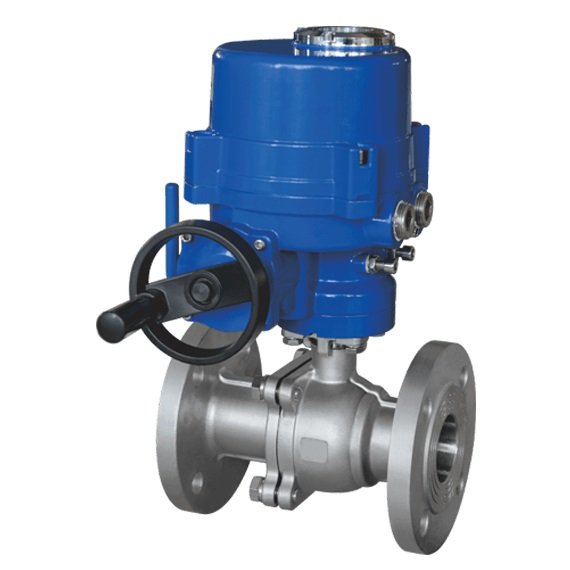
Electric Flanged Ball Valve Actuator CF8/PTFE/ClASS 150
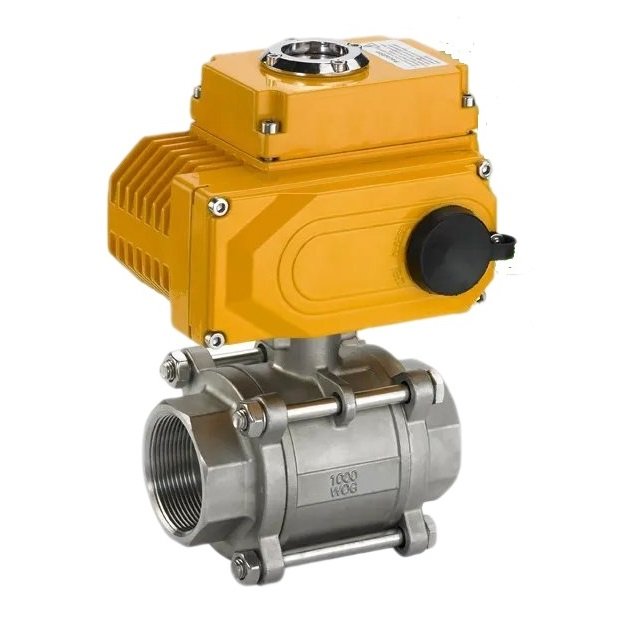
3PC threaded ball valve Electric Actuator 1000WOG&2000WOG
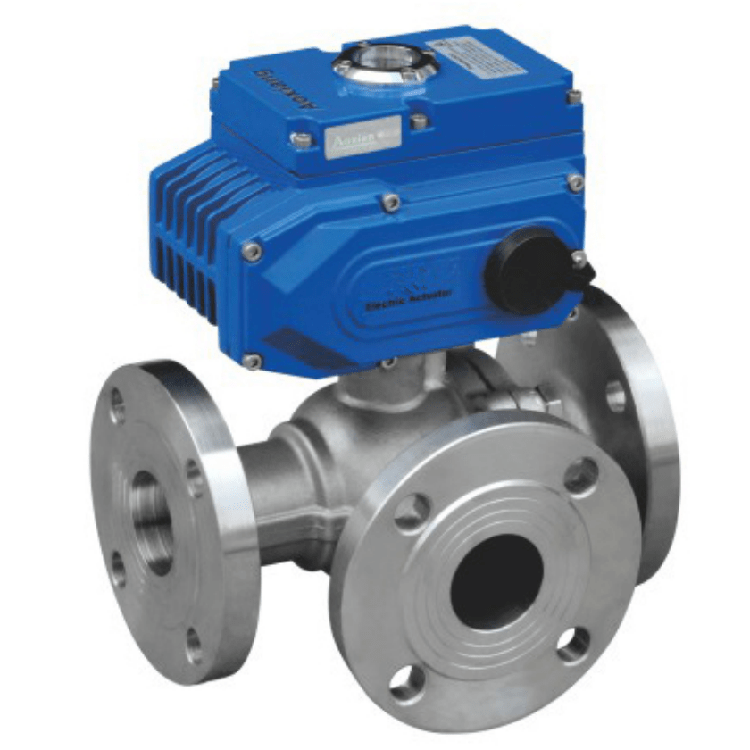
electric three-way ball valve Adjustment/Switch

class150 electric ball valve

Electric three-way flanged ball valve Cast steel
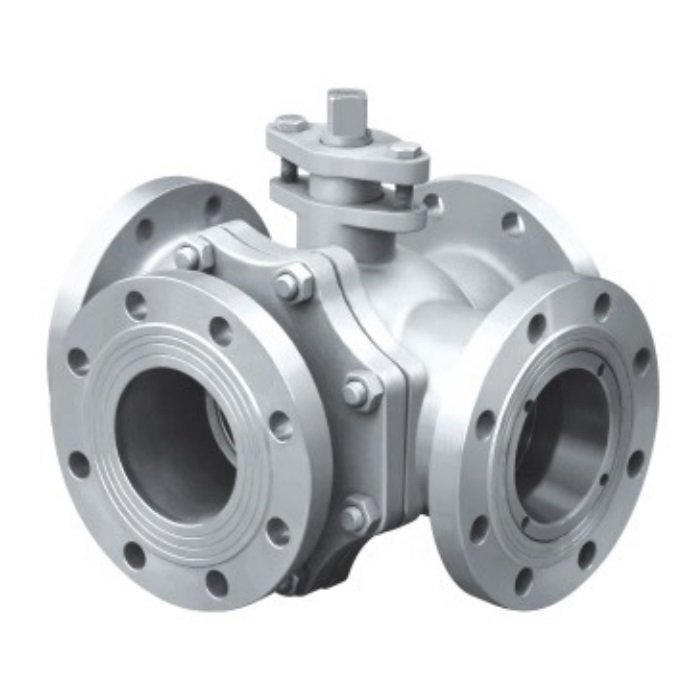
4-way flange ball valve Manufacturer-Stainless/Carbon Steel
Trekre Electric Ball Valves Series
Electric Ball Valve Operation
An electric ball valve combines a ball-valve body with an electric actuator. The actuator applies controlled rotary movement to the valve stem, rotating the ball between its required positions. A conventional two-way ball valve generally uses quarter-turn movement, while multi-port designs may require a different switching sequence or travel arrangement.
Electric ball valves may be selected for remote isolation, automated equipment or process control where their construction and actuator configuration meet the required duty. The opening through the ball, its position relative to the pipeline and the seat arrangement determine the flow path and sealing function. Ball valves do not use a butterfly disc.
Valve and Actuator Configurations
Common configurations include flanged two-way valves, threaded multi-piece valves and three-way or four-way ball valves. Floating and trunnion-mounted designs use different ball-support and seat-loading arrangements. Soft-seated and metal-seated constructions have different temperature, differential-pressure and leakage capabilities that must be checked against the selected product.
Electric actuators can provide on-off operation, position indication and, where specified, modulating control. The selected actuator must match the required torque, power supply, travel, output connection and operating environment. A modulating actuator does not automatically make every ball-valve trim suitable for accurate throttling duty.
Key Selection Requirements
| Parameter | Selection requirement |
|---|---|
| Two-way or multi-port design | Required flow path and switching function |
| Body and seat materials | Fluid compatibility and pressure-temperature limitations |
| Actuator torque | Valve breakaway and operating torque under design conditions |
| Electrical supply | Voltage, phase and permissible power arrangement |
| Control mode | Open-close or modulating duty and feedback requirements |
| Connection | Flanged, threaded or other verified end connection |
Installation and Maintenance
Check the electrical wiring diagram, actuator travel settings, valve torque and manual override arrangement before commissioning. Ensure that the actuator’s open and closed indication corresponds to the actual ball position. For multi-port valves, verify every commanded flow path. Maintenance must follow the manufacturer’s instructions for the valve seats, stem seals, actuator enclosure and electrical components.
Compare ball valves, pneumatic ball valves and electric valves for different operating arrangements.
Frequently Asked Questions
What information should I provide when ordering an electric ball valve? Specify the required flow path, body and seat materials, operating pressure and temperature, connection and valve duty. Confirm the required actuator torque and travel, electrical supply, open-close or modulating control, feedback and operating environment for the selected assembly.
Can I use this electric ball valve to regulate flow? Only if the particular ball and seat design, actuator control capability and valve sizing suit the process. A modulating actuator alone does not make every ball-valve trim suitable for accurate throttling.
How do I check the switching positions of a three-way electric ball valve? Verify every required flow path and its commanded position for the selected multi-port design. During commissioning, confirm that actuator indications and travel settings correspond to the actual ball position. Do not assume that a multi-port valve follows the same switching arrangement as a conventional two-way quarter-turn valve.