

Ball Valves Manufacturers
VALVE Categories
Ball valves are quarter-turn valves for isolation and selected control duties. The current Trekre range includes flanged, threaded, welded, multi-port, manual, worm-gear, pneumatic, electric, lined, metal-seated, V-port, vacuum, and discharge configurations; final selection depends on the specific service.
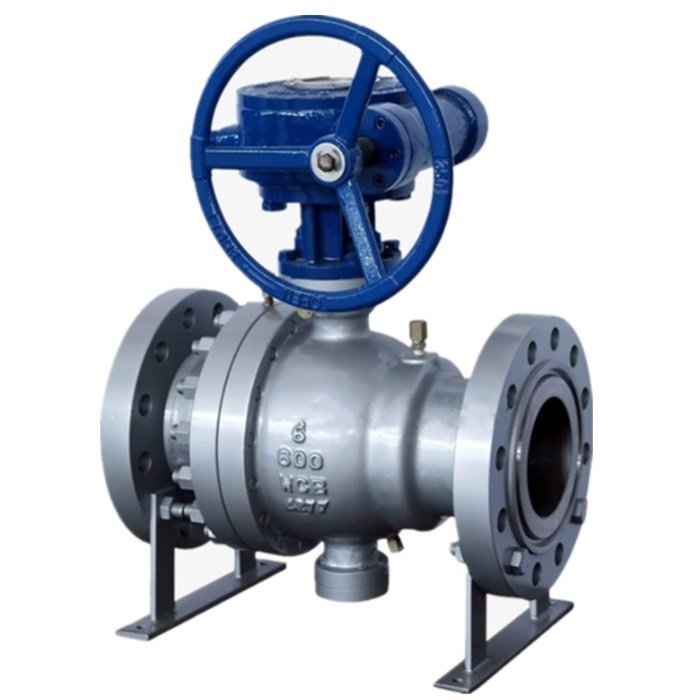
Worm gear switch flange ball valve CL600
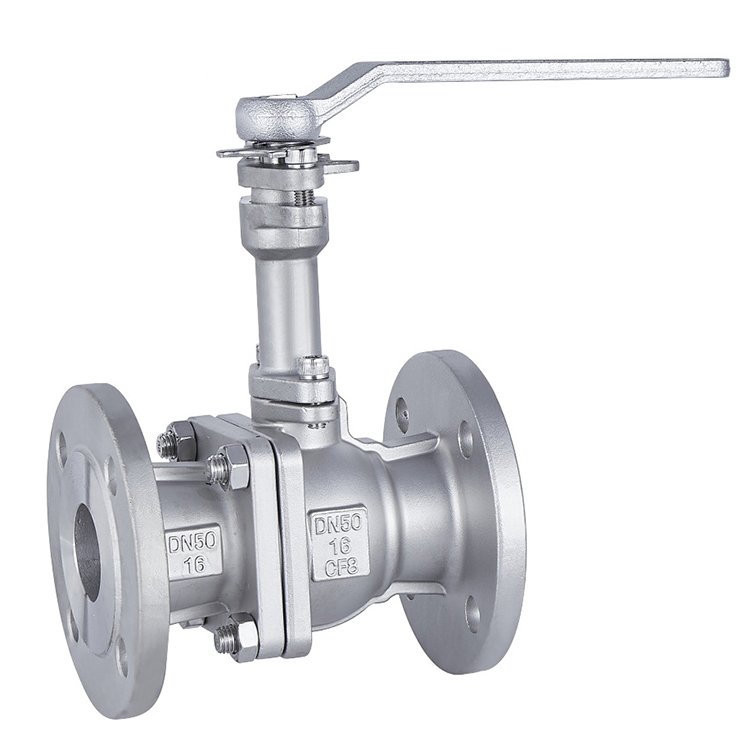
Stainless Steel Extended Rod Flange Ball Valve
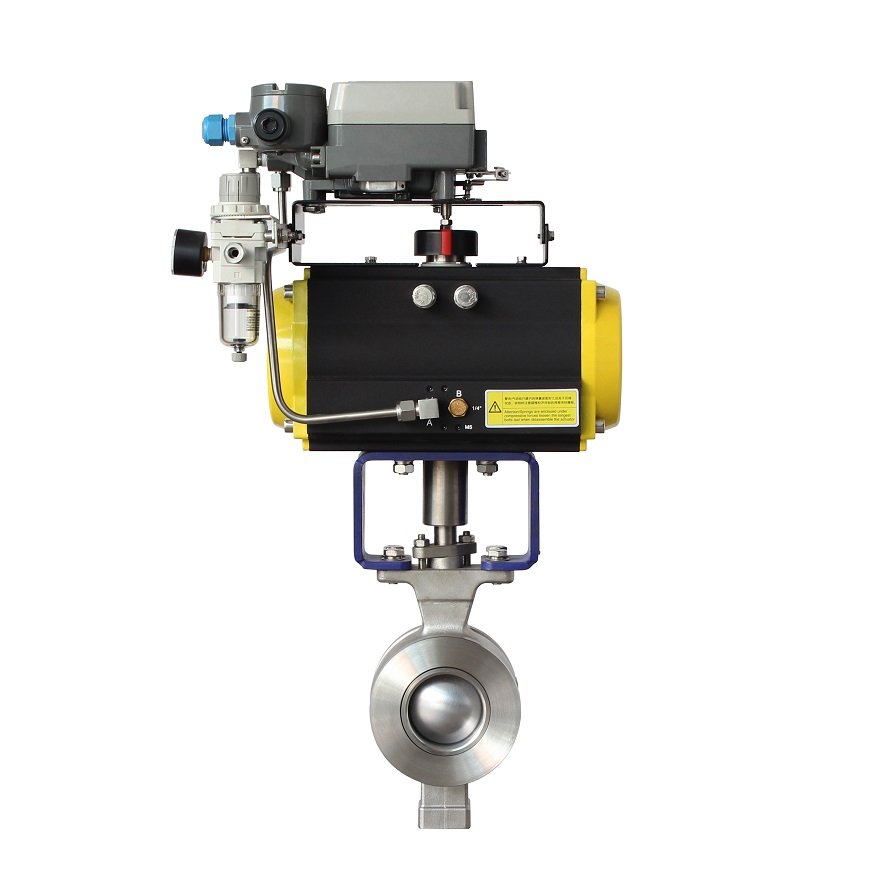
pneumatic V-type regulating ball valve
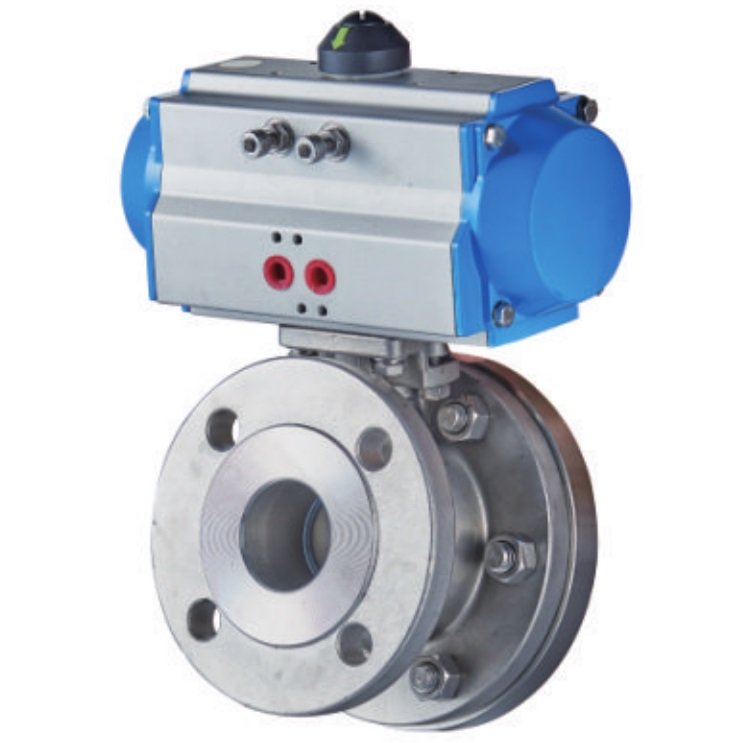
Pneumatic Discharge Ball Valve Inclined
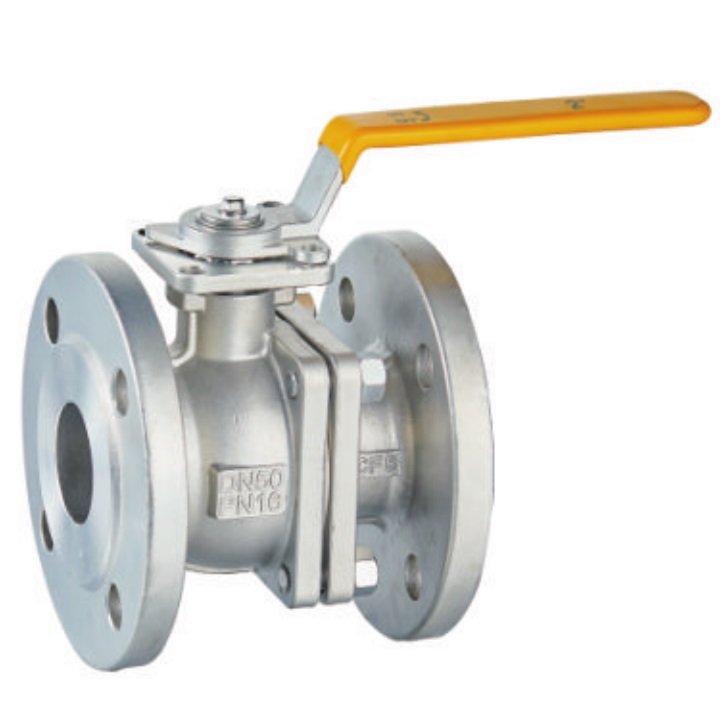
DIN Flange Ball Valve Full bore Stainless Steel

stainless steel Lined ball Valve PFA/FEP/PTFE
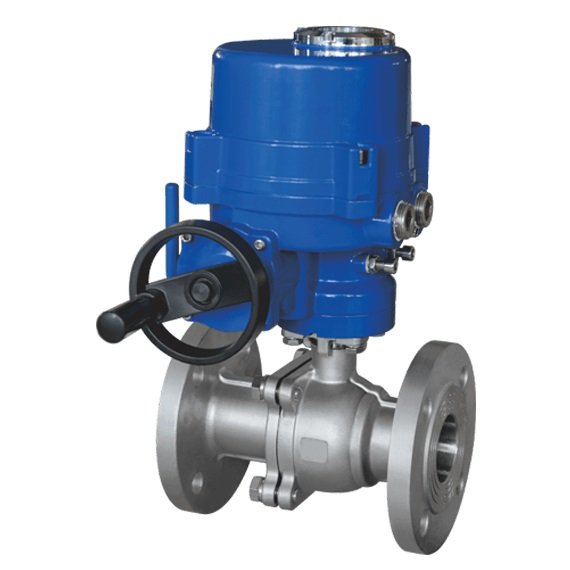
Electric Flanged Ball Valve Actuator CF8/PTFE/ClASS 150
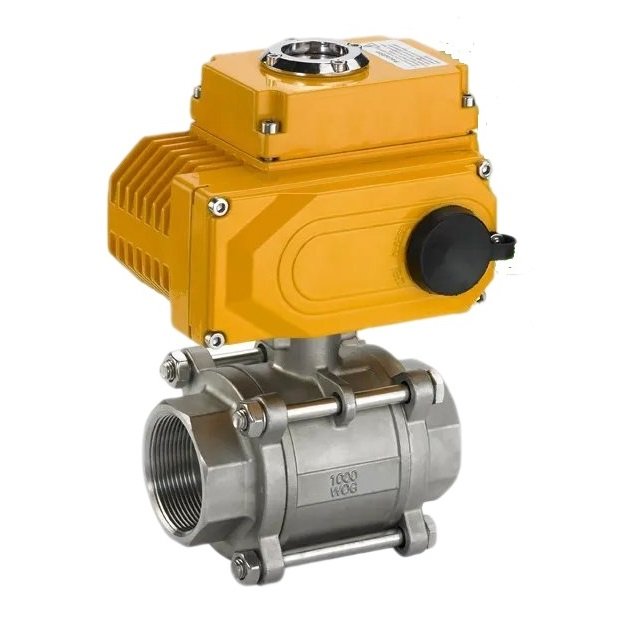
3PC threaded ball valve Electric Actuator 1000WOG&2000WOG

ANSI Class 300 Flanged Ball Valve Gear Operated/handle
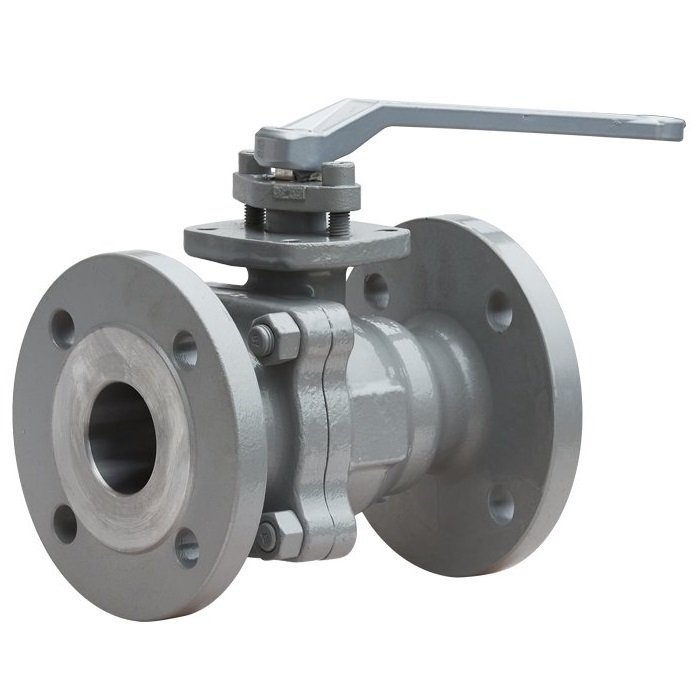
Metal Seated Flanged Ball Valve with ISO 5211 upper flange

pneumatic welded three piece ball valve-Stainless steel

High Vacuum(Pressure)Ball Valve
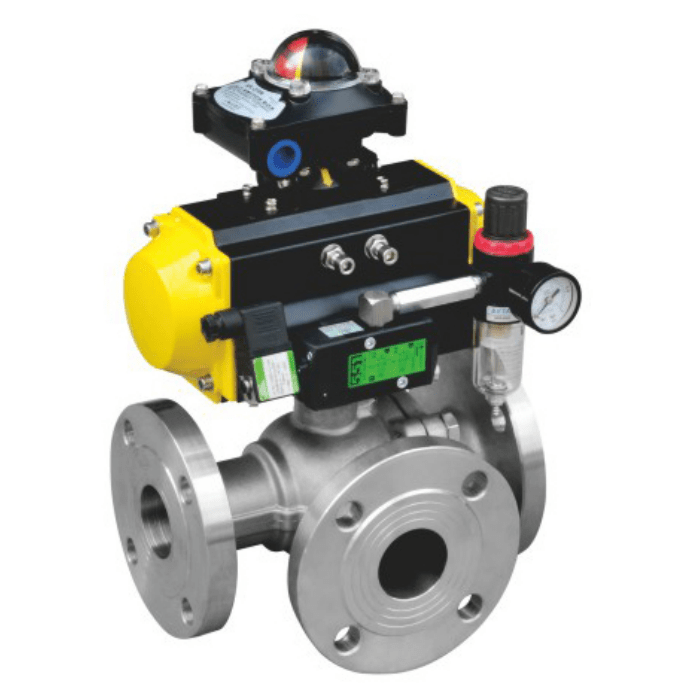
Pneumatic three way ball valve
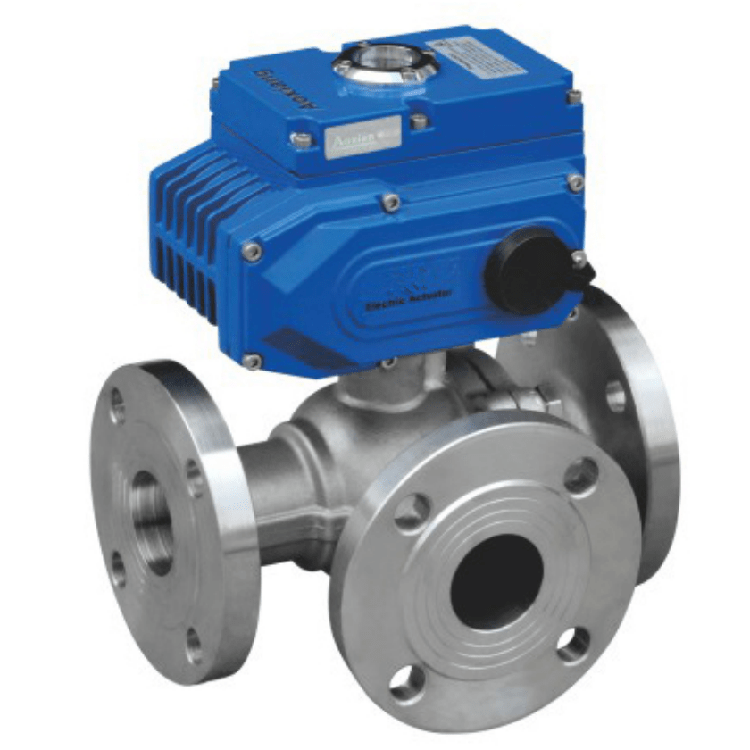
electric three-way ball valve Adjustment/Switch

class150 electric ball valve

ANSI class 600 ball valve Flanged

Pneumatic three-way Flange ball valve

Electric three-way flanged ball valve Cast steel

flanged three-way ball valve with platform/bare shaft

Stainless steel three-way flanged ball valve

V-port Segment Pneumatic Ball Valve (Wafer)
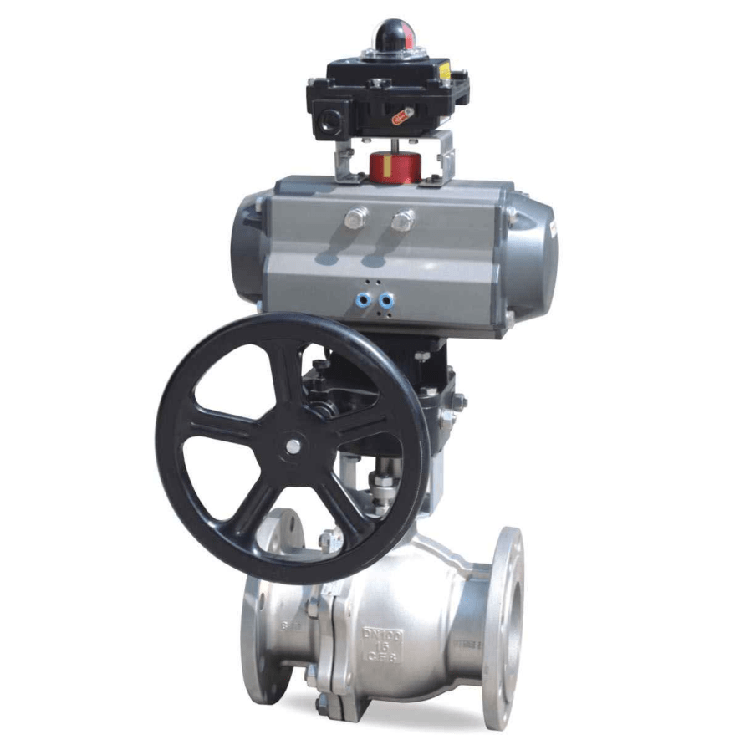
Pneumatic manual flanged ball valve
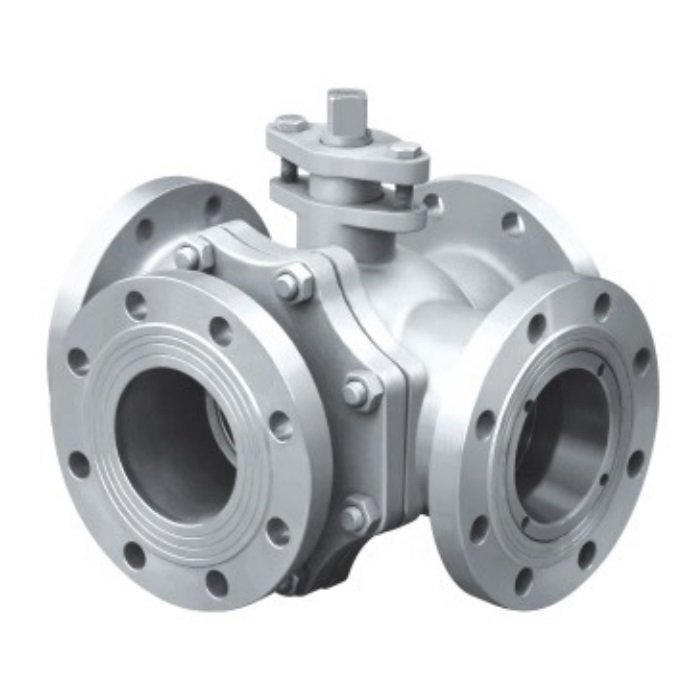
4-way flange ball valve Manufacturer-Stainless/Carbon Steel
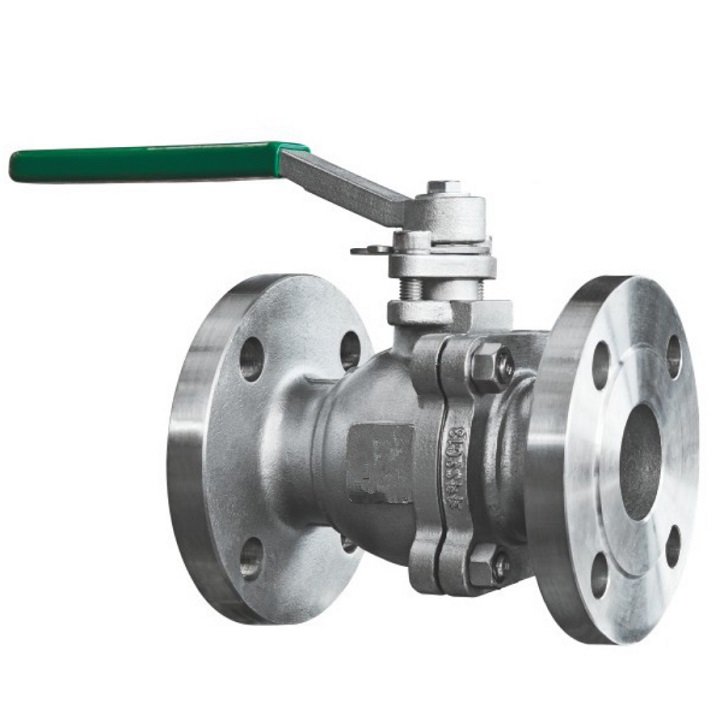
KS Flange Ball Valve – stainless steel manual handle
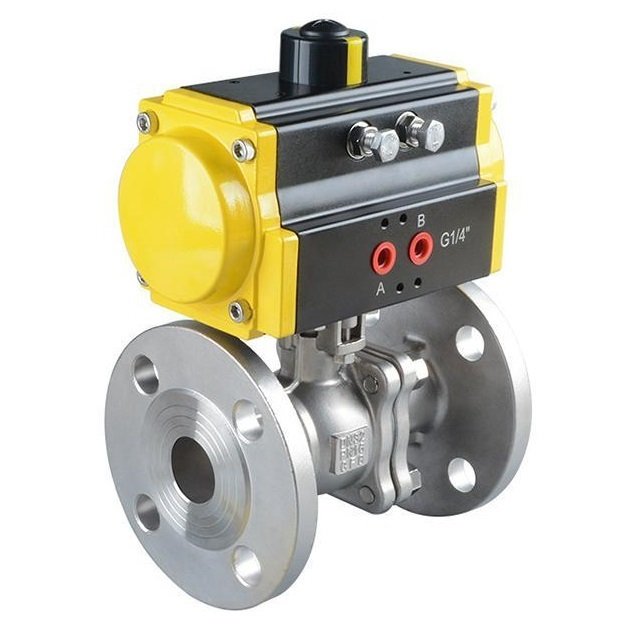
ANSI Class 150 Pneumatic Ball Valve Flanged – Actuator
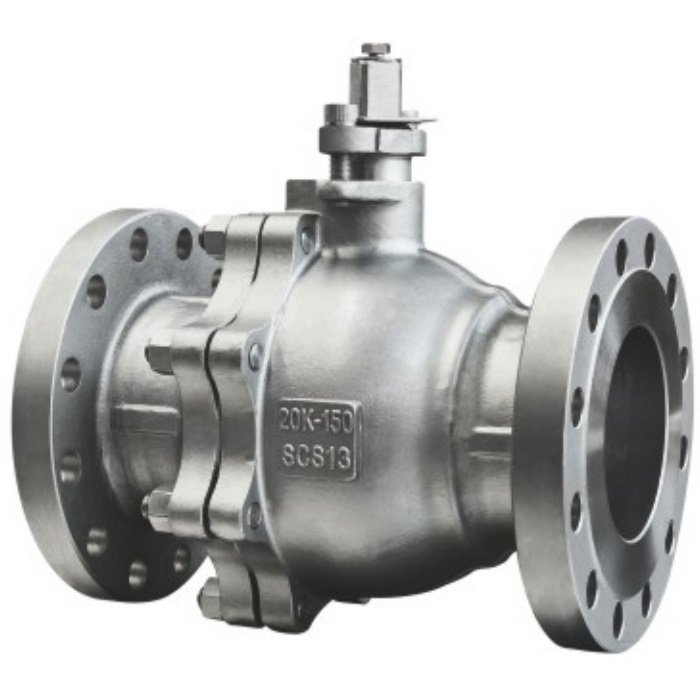
Flanged JIS 20K Ball Valve-stainless steel handle operation
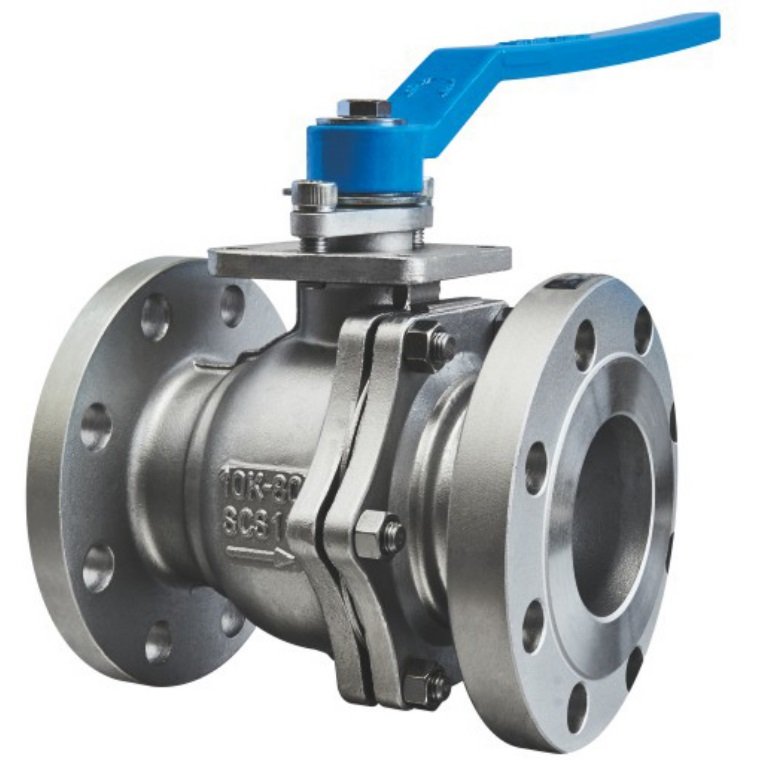
JIS 10K Flanged Ball Valve Stainless Steel/cast steel
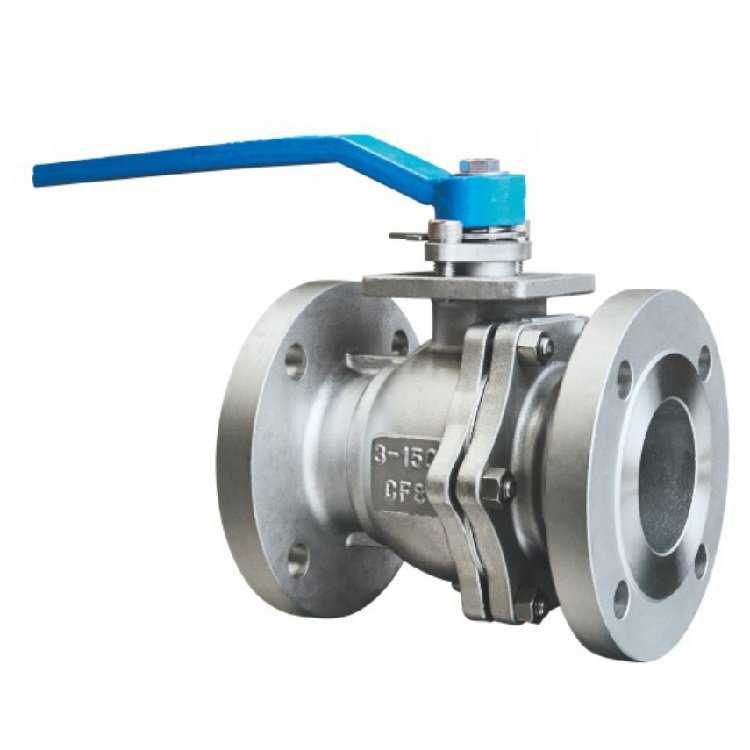
ANSI Class 150 Flanged Ball Valve
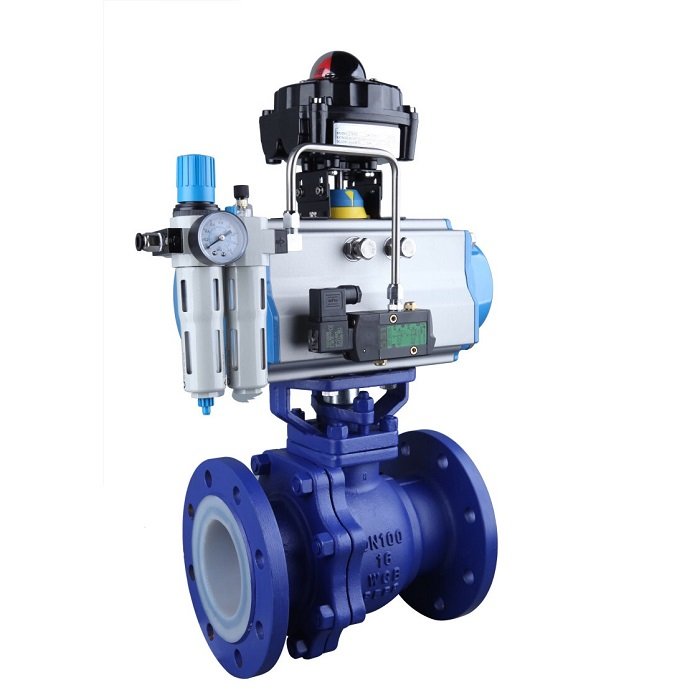
PTFE PFA lined pneumatic ball valve with actuator
Trekre Ball Valves Series
What Is a Ball Valve?
A ball valve is a quarter-turn valve that uses a bored ball, stem, and seats to control flow. Turning the stem rotates the ball between open and closed positions. Ball valves are commonly used for isolation, and selected designs can also support diversion, mixing, or controlled-flow duties.
Ball Valve Types Available
The current Trekre Ball Valves category includes these verified product types and configurations:
- Flanged ball valves, including ANSI, JIS, KS, DIN and other product-specific flange designs.
- Threaded ball valves and welded three-piece ball valves.
- Three-way and four-way ball valves for product-specific routing duties.
- Pneumatic, electric, manual, and worm-gear operated configurations.
- Lined ball valves, metal-seated ball valves, V-port regulating ball valves, vacuum, and discharge configurations.
Ball Valve Materials
Current product titles identify stainless steel, carbon steel, cast steel, and CF8-based configurations. Some products identify PTFE in the product title or a lined construction. The body material, ball/trim arrangement, seats, seals, and lining must be reviewed as a complete valve design; material names alone do not confirm temperature, pressure, or chemical compatibility.
End Connections and Operation
The current range includes flanged, threaded, and welded connection options. Product-specific configurations include manual handles, worm gear operators, pneumatic actuators, and electric actuators. Select the connection, bore, operating mode, and control function to suit the installation and service requirements.
How to Select a Ball Valve
- Medium and any chemical compatibility requirements
- Operating and design pressure and temperature
- Valve size, required bore, and shutoff requirement
- Body material, seat material, seals, and any lining requirement
- Flanged, threaded, or welded connection; applicable flange or piping standard
- Two-way isolation, multi-port flow routing, or regulating duty
- Manual, worm-gear, pneumatic, or electric operation
- Flow direction and any required inspection or documentation
Confirm the final selection against the product datasheet and order specification for the actual valve series.
Typical Applications
Ball valves can be used in industrial fluid systems for isolation and, where the selected design supports it, routing or controlled-flow duties. Typical suitability depends on the medium, material selection, connection, actuation, pressure, temperature, and site requirements. Do not treat a general category page as a universal service recommendation.
Standards and Testing
Current product titles reference ANSI, JIS, KS, and DIN configurations. Available standards vary by valve design and product series; they are not a claim that every ball valve in this category meets every listed standard. Confirm the applicable datasheet, drawing, inspection scope, and order specification for the selected product.
Trekre’s About page presents pressure-testing, PMI, material-verification, and inspection equipment. For additional selection background, visit Valve Technical Knowledge.
FAQ
What is a ball valve?
A ball valve uses a rotating bored ball to open or close a flow path. It is commonly selected for isolation, with some product designs supporting routing or control duties.
What is the difference between a two-way and a three-way ball valve?
Two-way valves are generally used for a single flow path. Three-way designs have an additional port for product-specific routing or mixing arrangements; confirm the actual port configuration before selection.
How do I select ball valve seat material?
Review the medium, temperature, pressure, shutoff requirement, and the specific valve design. Seat material must be confirmed with the product documentation.
When should I use a full-port ball valve?
Required bore depends on the piping, flow requirement, pressure loss allowance, cleaning needs, and selected valve series. Confirm the bore with the relevant product drawing.
Can ball valves be automated?
Yes. The current category includes pneumatic and electric product configurations. Select the actuator according to required operation, control signal, torque, environment, and valve design.
What information is required when ordering a ball valve?
Provide the medium, pressure, temperature, size, connection, material and seat requirements, valve function, operating mode, applicable standard, and any inspection or documentation requirements.