

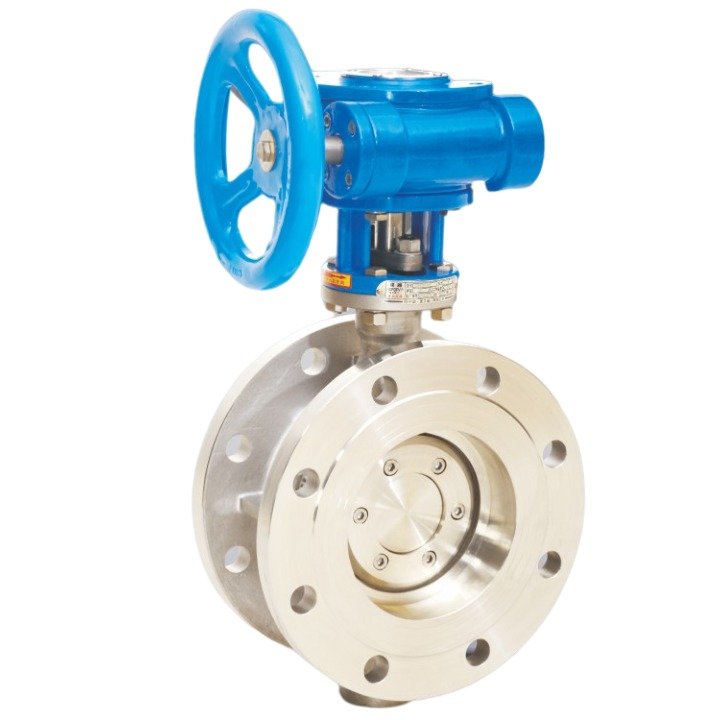
This gear-operated double-flanged triple-offset butterfly valve is intended for low-temperature process applications. The minimum design temperature must be supported by the selected body, disc, stem, seat, packing and pressure-boundary materials together with the applicable valve qualification and test requirements. A general low-temperature rating around -40°C does not establish suitability for LNG, liquid ethylene or other cryogenic liquid service; those applications require a separately qualified valve configuration.
Cryogenic liquids have different physical and fire hazards. Liquid hydrogen and liquefied hydrocarbon gases can present flammable atmospheres, whereas liquid oxygen is not flammable but is a powerful oxidizer that can intensify combustion of compatible fuels and contaminants. Cryogenic systems also require measures for low-temperature material integrity, thermal expansion, pressure relief and the specific cleanliness requirements of the medium.
Frequently Asked Questions
Does a general low-temperature rating qualify the valve for LNG service?
The page explains that it does not. Provide the actual medium and minimum design temperature and request a separately qualified configuration and applicable material and valve test documentation for the intended cryogenic service.
What materials must be confirmed for my minimum design temperature?
Request confirmation of the body, disc, stem, seat, packing and other pressure-boundary components together. Do not infer the rating of the complete valve from the body material alone.
What should I include when asking for a low-temperature replacement valve?
Send the actual medium, design pressure and temperature, required connection and dimensions and operating method. Include the project’s qualification, cleanliness and documentation requirements so the selected configuration can be reviewed.